



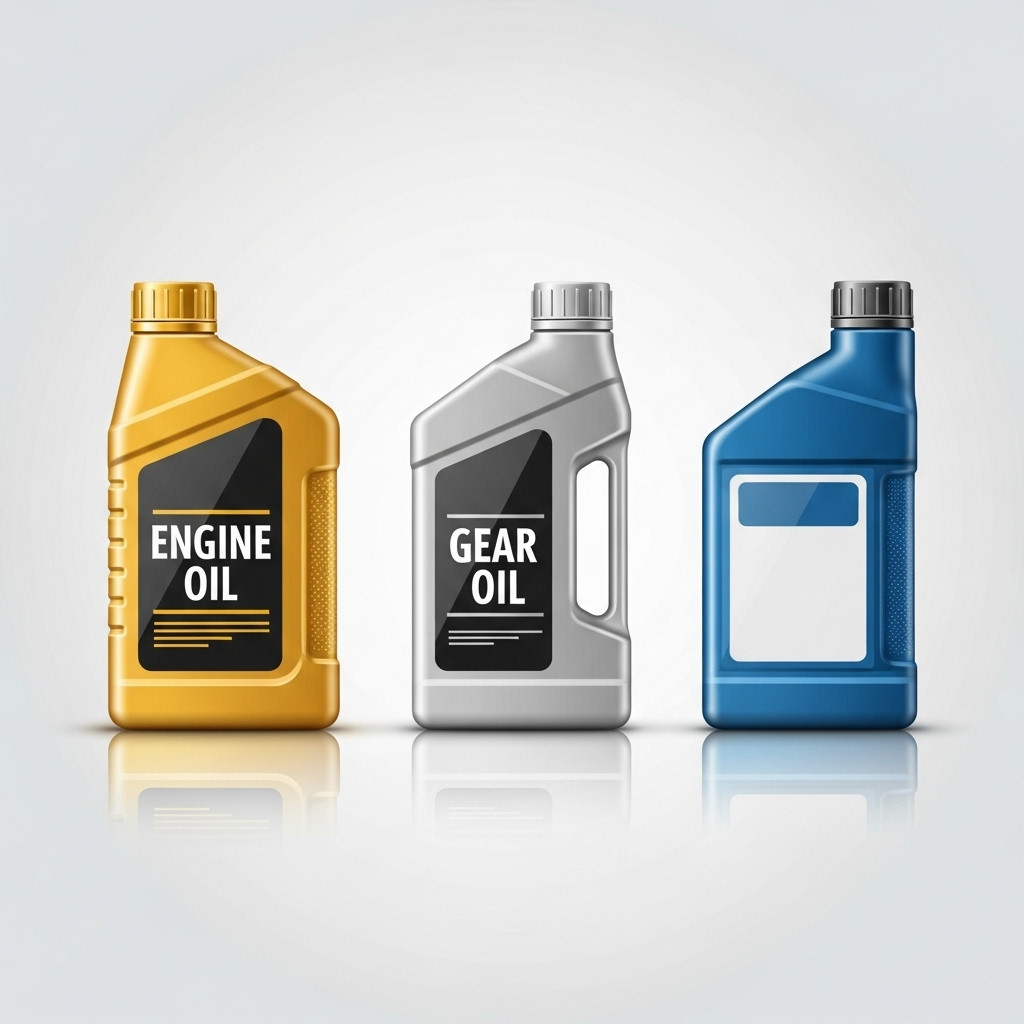

The Future of Automotive Spare Parts Market in Bangladesh (2026 Outlook)

Introduction
The automotive industry in Bangladesh is entering a new era. With a steady rise in private cars, motorcycles, ride-sharing vehicles, trucks, and commercial fleets, the automotive spare parts market is becoming more important than ever.
By 2026, the focus is shifting from informal, price-driven buying to quality, authenticity, and digital sourcing. Consumers, workshops, and fleet operators are demanding reliable spare parts, faster availability, and transparent pricing.
? Market Growth Overview
Several factors are driving market expansion:
Increasing vehicle ownership in urban and semi-urban areas
Growth of ride-sharing, logistics, and delivery services
Expansion of road infrastructure and highways
Rising awareness of vehicle safety and maintenance
As vehicles stay on the road longer, aftermarket spare parts demand continues to rise.
? Shift Toward Genuine & Branded Parts
One of the biggest changes expected in 2026 is the growing preference for genuine and branded spare parts.
Reasons include:
Increased awareness of fake parts risks
Higher accident and breakdown costs from counterfeit products
Workshop demand for long-lasting components
Customer trust and warranty expectations
This shift creates opportunities for verified suppliers and organized wholesalers.
? Digital Transformation of the Spare Parts Market
Digital platforms are reshaping how spare parts are sourced in Bangladesh.
Key changes include:
Online spare parts catalogs
Mobile ordering for workshops
Price transparency across suppliers
Faster delivery through logistics integration
Platforms like PartsLagbe Wholesale represent this transformation by connecting workshops directly with trusted suppliers.
? Role of Local Workshops in 2026
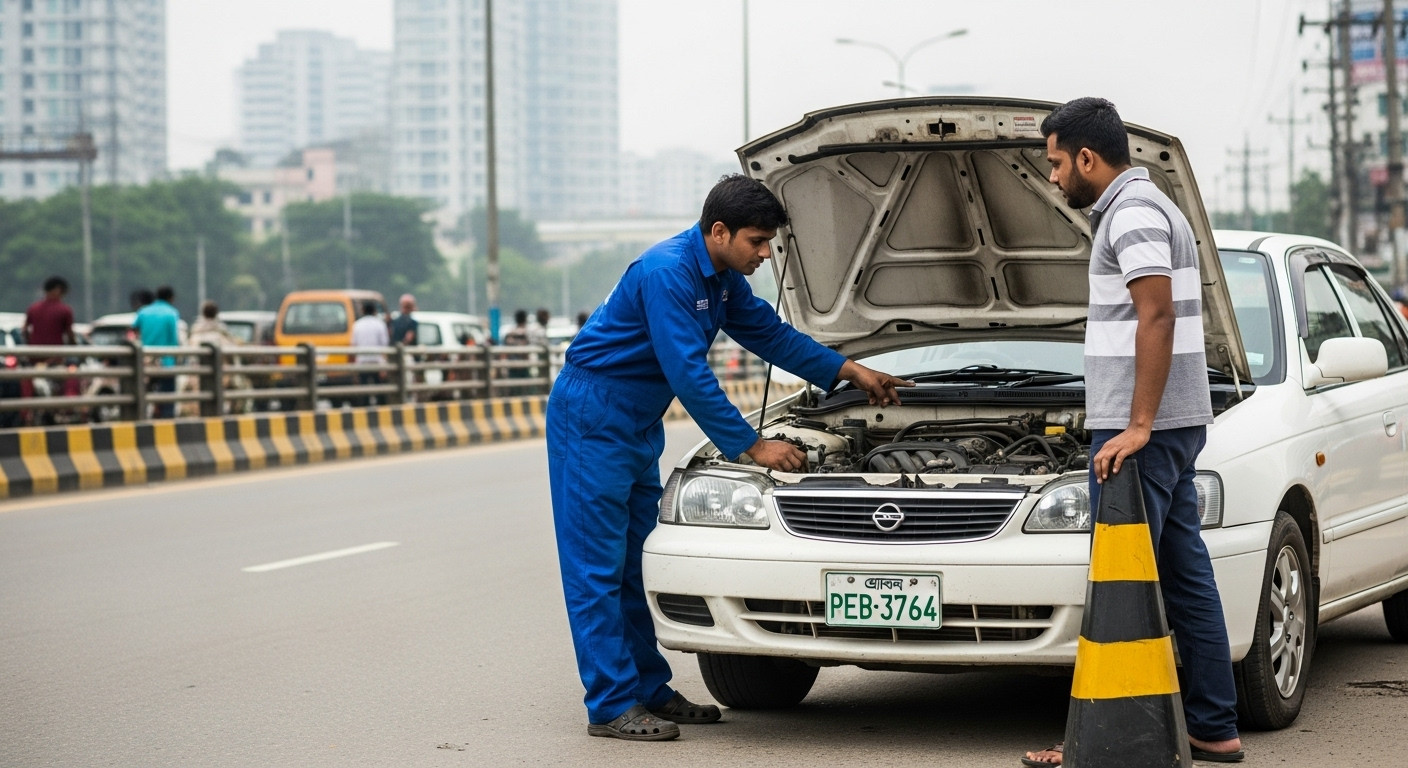
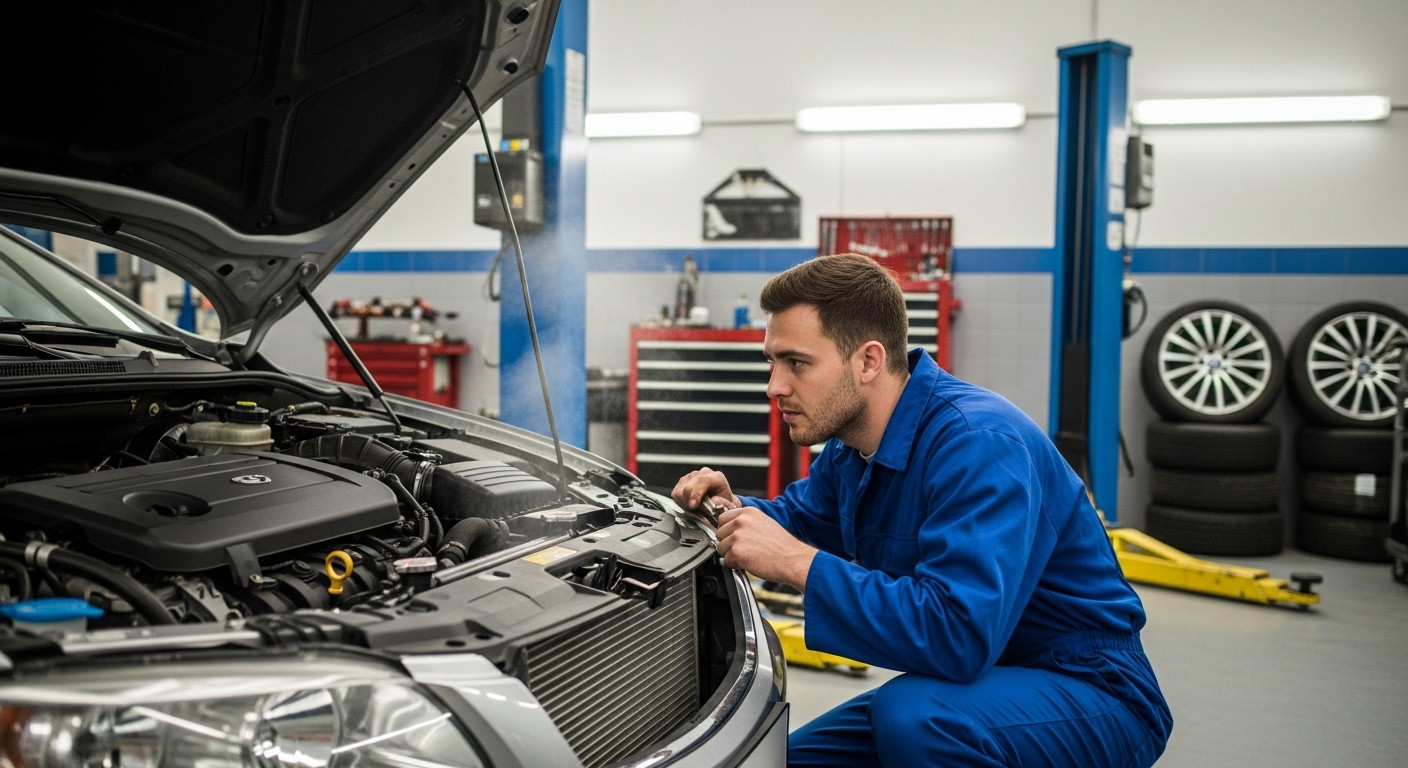
Local workshops remain the backbone of the automotive service industry. In 2026, successful workshops will:
Use digital platforms for sourcing
Focus on genuine parts only
Offer service warranties
Build long-term customer relationships
Workshops that fail to adapt may struggle with trust and profitability.
? Commercial Vehicles & Fleet Demand
The commercial vehicle segment—trucks, buses, pickups, and covered vans—will drive a significant portion of spare parts demand.
High-usage vehicles require:
Frequent brake replacements
Engine and suspension parts
Cooling and lubrication components
Fleet operators will increasingly prefer bulk purchasing and preventive maintenance planning.
⚠️ Challenges Facing the Market
Despite growth, several challenges remain:
Widespread counterfeit spare parts
Price instability in informal markets
Lack of standardization
Limited technical knowledge among buyers
Addressing these issues requires regulation, awareness, and technology adoption.
? Opportunities for Entrepreneurs & Investors
The 2026 market offers strong opportunities in:
Organized wholesale platforms
Logistics-based spare parts delivery
Workshop management systems
Genuine parts verification solutions
B2B auto service marketplaces
Entrepreneurs focusing on trust, speed, and quality will stand out.
? What to Expect Beyond 2026
Looking ahead, the spare parts industry will likely see:
AI-based parts recommendation
Predictive maintenance systems
Stronger supplier verification
Expansion of EV spare parts segment
The industry is moving toward efficiency, transparency, and sustainability.
✅ Final Thoughts
The future of the automotive spare parts market in Bangladesh in 2026 is promising but competitive. Businesses that prioritize genuine products, digital solutions, and customer trust will lead the market.
For vehicle owners, workshops, and suppliers alike, adapting to this evolving ecosystem is no longer optional—it’s essential.
Recent Posts
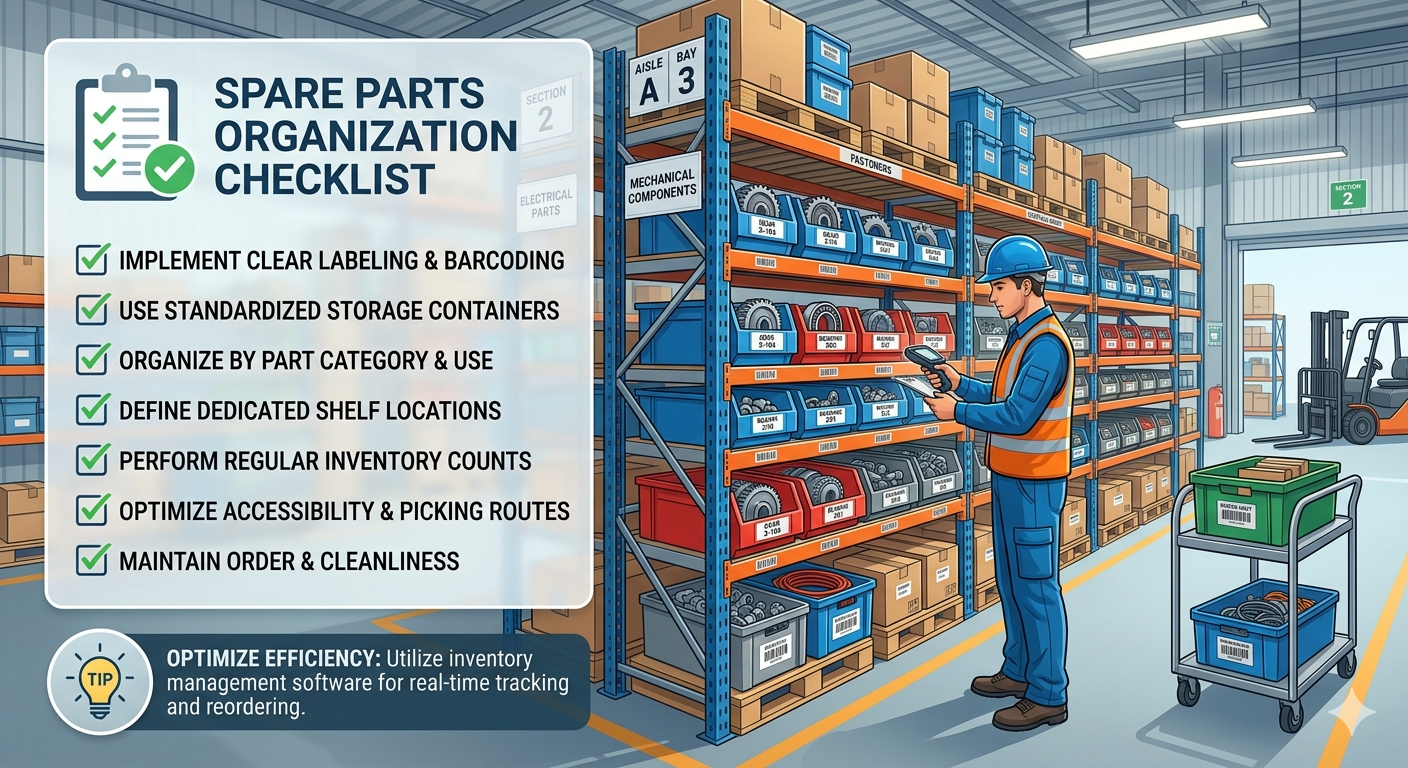
Spare Parts Storage Guide: যন্ত্রাংশ সংরক্ষণ করে আয়ুষ্কাল বাড়ান ও খরচ কমান
The Future of Automotive Spare Parts Market in Bangladesh (2026 Outlook)


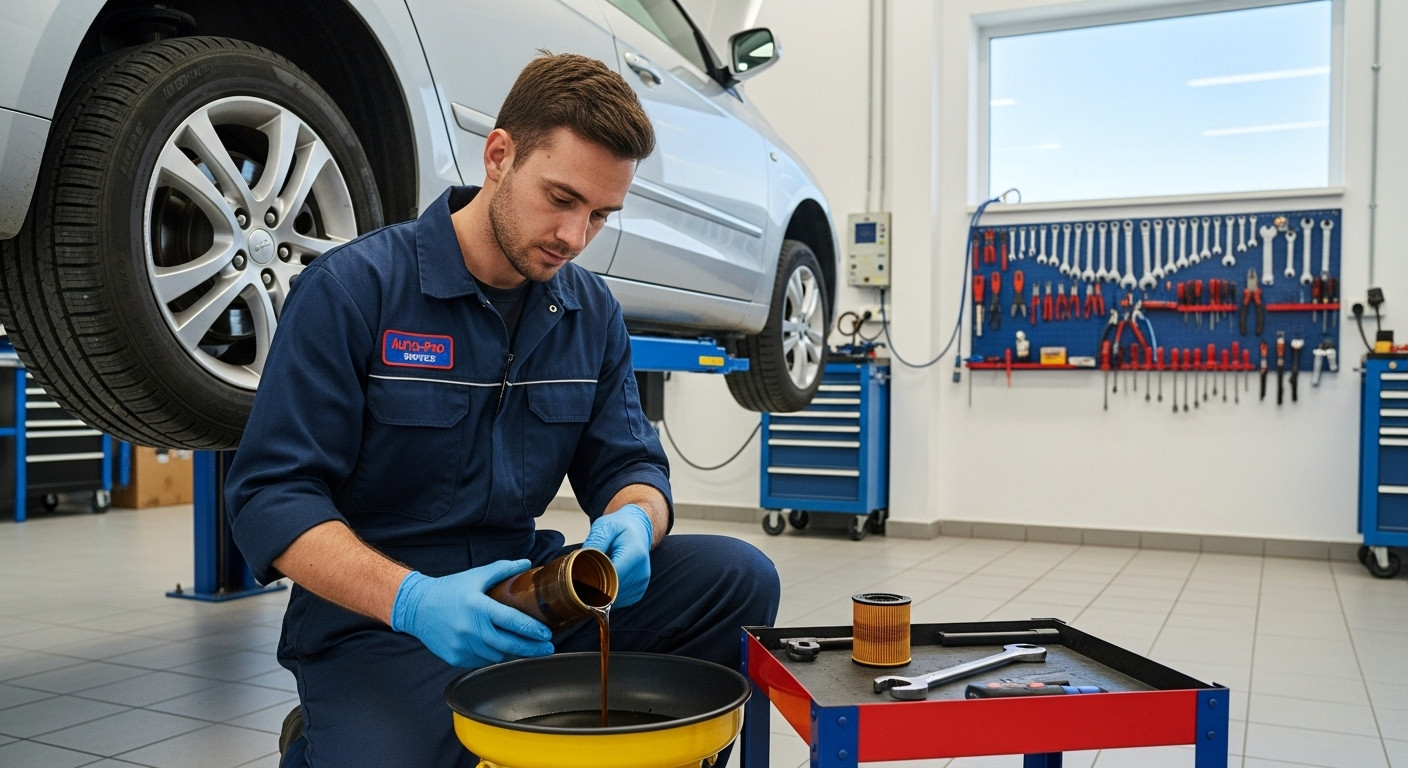
Engine Oil Change Interval: How Often Should You Change It?